



Indian Shiva Nataraja Igneous Rock Statue from the Chola Period
Shiva is one of the three main gods of Hinduism. Its predecessor was the god of reproduction, "Beast Lord," and the god of Vedic storms, Tatra, during the Indus Civilization era. It had a dual personality of reproduction and destruction, creation and destruction, presenting various bizarre and bizarre appearances, mainly including the Linga, Gentle, Superhuman, Dance King, Rika, and Half Girl. Linga is the most basic symbol of Shiva. Like many gods in mythology, due to Shiva's omniscient and omnipotent nature, her gender is not fixed, but changes at any time according to her different appearances. In Buddhist literature, Shiva is referred to as the Great Self in Heaven, residing at the top of the realm of colors, and is the ruler of the three thousand realms.

Bronze statue of the Chola period in Tamil Nadu, South India Shiva, King of Dance
The statue is a work from the Chola period (900-1200 AD) in Tamil Nadu, South India, depicting Shiva, the king of dance. The statue measures: 113 x 102 x 30 cm overall and is currently in the collection of the Cleveland Museum of Art. In this statue, Shiva is depicted as the source of all movement in the universe. His dance of destruction is accompanied by the arc of flame, symbolizing the demise of the universe at the end of an era. Four hands hold different objects, including flame and drum, representing destruction and creation respectively. The right foot steps on a dwarf demon, symbolizing the smashing of ignorance.

Popular Models

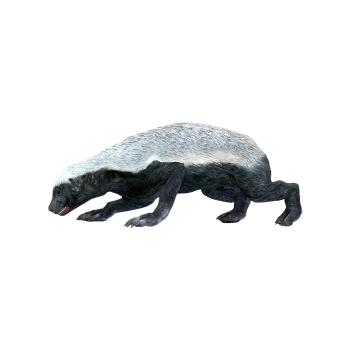
Honey Badger (3D animated model)
192 View
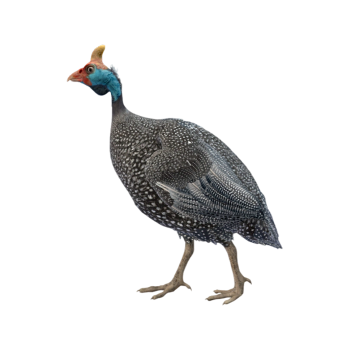
Guinea fowl (3D animated model)
163 View
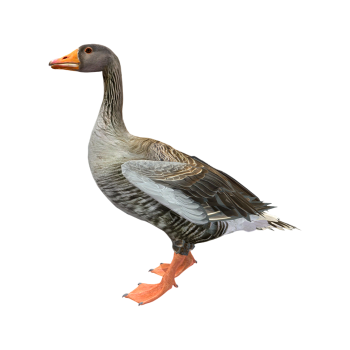
Wild Goose (3D animated model)
185 View

Red Fox (3D animated model)
153 View
Random Model

Ducati Monster 1500 Heavy Motorcycle
677 View

Nachos with Mexican Dip
730 View

Retro Military Technology Radio
720 View

Sodslong (3D animated model)
124 View

Apple PowerCD
1030 View


Land Rover Generic(4x4)
895 View

VHS Tape
841 View


PPB-Pro portable battery
876 View